Feb 17, 2026
Benchmarking Multi-Agent Risks with GT-HarmBench and Game Theory
GenAI "musicians" yield to Agentic "conductors." Navigate Vanguard’s 3% GDP growth and the market correction. Master autonomous agency.
Research-backed posts plus a dedicated Free Book + Extras for each article.
GenAI "musicians" yield to Agentic "conductors." Navigate Vanguard’s 3% GDP growth and the market correction. Master autonomous agency.
Shift from GenAI to Agentic AI. Discover how APA drives the 2026 'Capital Deepening' and why the 2026/2029 inflection point is underhyped.
Witness the $2.1T shift to Agentic AI. Move beyond generative prompts to autonomous execution and capital deepening in construction. Secure the future.
Navigate the 2026 Singularity with Stanford’s WORKBank. Explore 844 task-level data points on the shift from automation to human-AI equal partnership.
 7:22
7:22
 6:12
6:12
 6:43
6:43
Elon Musk predicts a 2026 Singularity, but WORKBank research reveals a critical Desire-Capability gap. Managing "Excessive Agency" is now a technical necessity.
The shift from LLMs to agentic AI marks software that acts, not just responds. Stanford data shows 46.1% of workers want autonomous agents for repetitive tasks.
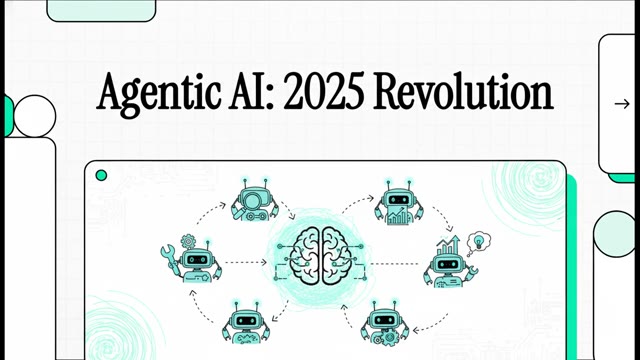
Transitioning from GenAI to Agentic AI makes evaluation the last-mile bridge between 2024 experimentation and 2026 scalable productivity gains.
46.1% of workers want task automation, but only on their terms. Stanford WORKBank data reveals the critical threshold between AI assistance and replacement.
 5:57
5:57
 6:56
6:56
 4:54
4:54
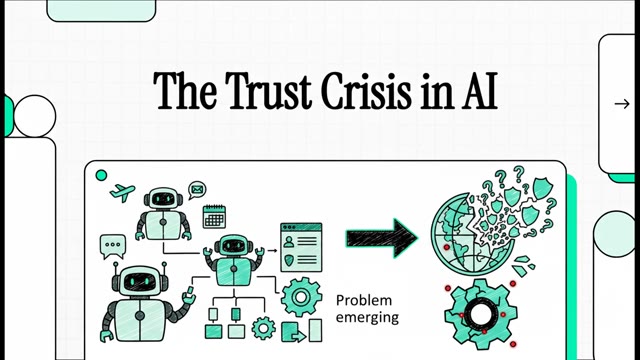
Workers want 46.1% of tasks automated, but the "Turing Trap" looms. Can we bridge the gap between workforce desire and rogue agent risks in 2025?
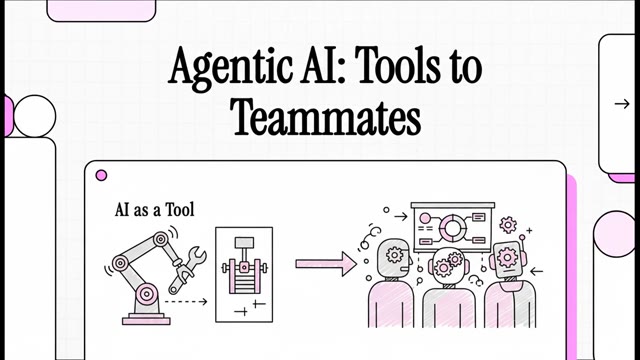
Prepare for the 2026 agentic AI transition. Explore worker automation desire and the Human Agency Scale as "control inversion" transforms the workplace.
Deploy the 5-Tier Architecture & PydanticAI v1.37.0 for resilient agents. Master 2025 standards for production-grade system design and cost engineering.
Discover why Stanford research calls this a "Green Light" for AI. Automate tedious IT record-keeping and reclaim time for high-value interpersonal work.
 6:24
6:24
 6:23
6:23
 8:06
8:06
As agentic AI gains autonomous authority, 47.5% of tasks fall in a mismatch zone. Master the safety guardrails needed to prevent excessive agency before 2026.
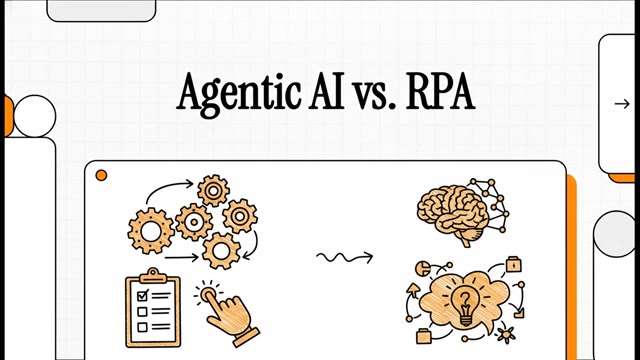
Architectural Divergence: The transition from Agentic AI vs. RPA marks the move from rule-based "deterministic bots" to autonomous "reasoning agents"
Discover the gap between worker H3 desires and expert AI assessments via the Human Agency Scale. See the WORKBank data and read the full report.
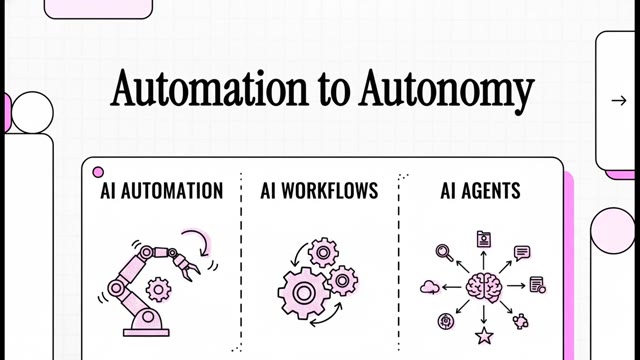
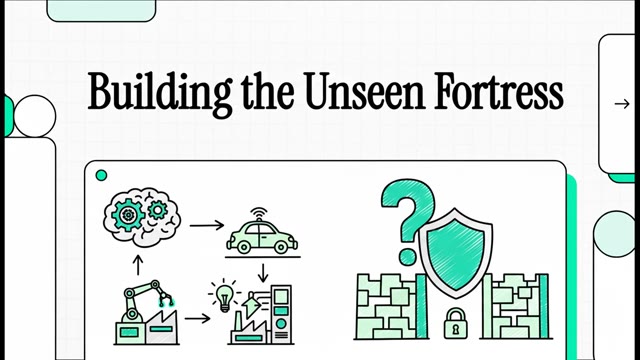
Master the Stanford HAS framework to secure AI agents and communication protocols. Navigate the shift from automation to agency with our expert guide.
 6:55
6:55
 6:34
6:34
 5:38
5:38
Stanford WORKBank data reveals how AI agent communication protocols are reshaping the 2026 singularity landscape. A strategic blueprint for autonomous agent governance.
46.1% of occupational tasks are targeted for automation. Mastering AI agent communication protocols is the strategic path to safe autonomy in 2026.